Protecting your furniture from daily wear and tear is essential for maintaining its beauty and functionality. Renowned interior designer, Emily Henderson, emphasizes, "Quality furniture deserves care; neglect leads to inevitable damage." Understanding how to protect furniture from wear and tear is not only about aesthetics but also about making smart choices.
Daily activities can strain your furniture. The sun, spills, and even pet accidents can leave lasting marks. For instance, placing coasters under drinks can prevent water rings. Using fabric protectors on upholstery can help resist stains. Regularly dusting and cleaning surfaces can prolong their life. Many overlook these simple steps, thinking they don’t matter.
Sometimes, despite our best effort, wear still happens. Scuffs, scratches, and fading can occur over time. Acknowledging that furniture care requires attention is crucial. Regular maintenance can make a significant difference, even if imperfections arise. Ultimately, being proactive is key; knowing how to protect furniture from wear and tear can ensure your pieces stay beautiful for years.
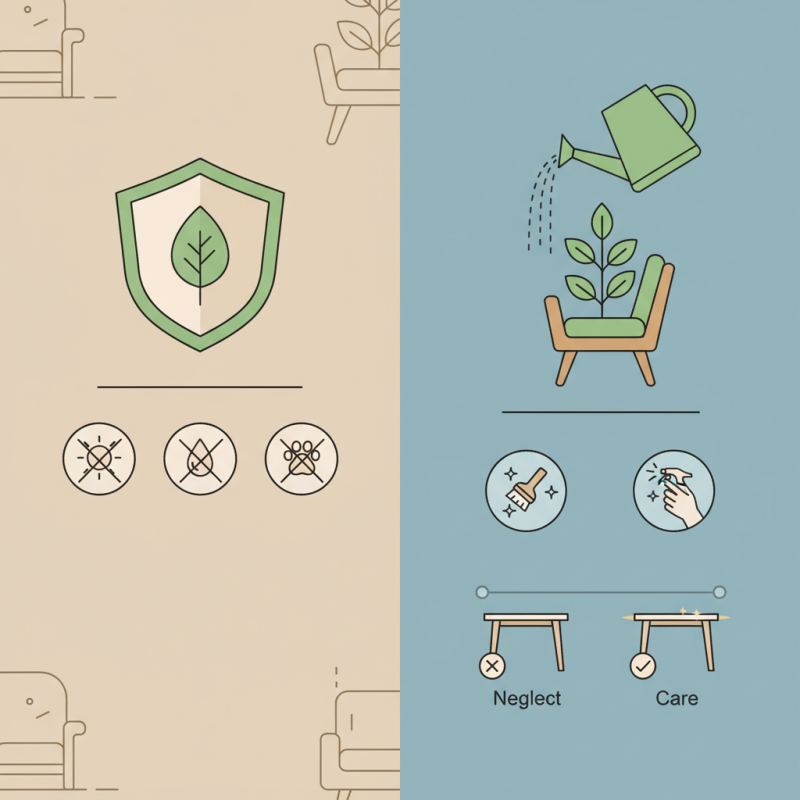
Understanding Daily Wear and Tear on Furniture: Causes and Effects
Understanding daily wear and tear on furniture is essential. Every piece is under constant pressure from daily activities. Scratches, stains, and fading can diminish its beauty and functionality. High traffic areas, such as living rooms and dining spaces, experience the most damage over time. Pets, kids, and even sunlight contribute to this gradual deterioration.
To guard against wear and tear, consider using protective covers. They can shield sofas and chairs from spills and dirt. Regular cleaning also helps maintain furniture. Dust collects, causing scratch marks and dull appearances. A soft damp cloth can remove grime without harmful abrasives.
Choosing the right placement for your furniture can also mitigate potential damage. Avoid direct sunlight to prevent fading. Be mindful of sharp-edged items near wooden surfaces. Small changes create a big impact over time. Paying attention to these details shows care for your furniture, extending its life and preserving its charm.
Effective Cleaning Practices to Preserve Furniture Longevity
Furniture can easily show signs of daily wear and tear. Using effective cleaning practices is key to preserving its longevity. Regular maintenance not only keeps your furniture looking good but also extends its life. Dust buildup can lead to scratches and dullness. Wipe surfaces with a microfiber cloth weekly to remove dust.
Use the right cleaning solution. For wood, a mix of vinegar and water is gentle yet effective. Avoid using harsh chemicals that can damage the finish. A soft-bristle brush can help you get into crevices. Test any new cleaning solution on a small, hidden area first. This prevents possible stains or discoloration.
Don't forget about upholstery. Vacuuming can prevent dirt from embedding into the fabric. For spills, blot immediately. Never rub, as this can spread the stain. Consider using fabric protectors for extra defense against future mishaps. This simple step can save you time and money in repairs. Remember, every piece of furniture has its quirks. Learn what works best for yours through experience.
Protective Measures: Furniture Covers and Their Impact on Durability
Furniture covers are essential for maintaining the longevity of your furniture. According to a study by the Furniture Industry Research Association, protective covers can increase a piece's lifespan by up to 50%. These covers act as a barrier against spills, dust, and scratches. However, not all covers are created equal; material choice plays a significant role in effectiveness.
Choosing high-quality, breathable fabrics can prevent **moisture buildup** and **mold growth**, issues often overlooked. For instance, polyester blends often resist stains better than cotton. Yet, the challenge lies in maintaining these covers. Some users neglect to clean their covers regularly, which can defeat their purpose. Regular maintenance is vital to ensure optimal protection.
It's also important to consider the aesthetics of your living space. While covers protect furnishings, they can sometimes clash with your decor. Balancing functionality and style is a common struggle. An ideal cover should blend seamlessly into your home while providing the needed protection. This dual requirement calls for thoughtful selection, ensuring both your furniture and personal taste are preserved.
Choosing the Right Materials: Furniture Fabrics and Their Maintenance
When it comes to protecting your furniture, choosing the right materials is crucial. Fabrics vary widely in durability and maintenance needs.
Natural fibers, like cotton and linen, offer comfort but can show wear quickly. They are prone to stains and fading.
Synthetic materials, however, often resist staining and can hold up better over time. Polyester, for example, offers strength and is less likely to tear.
Regular care is essential to keep fabrics looking their best. Dust and dirt can wear down fibers over time.
Vacuuming your furniture weekly helps minimize this issue. Additionally, it's wise to check care labels for specific maintenance instructions.
Some materials can be cleaned easily with a damp cloth, while others may require professional cleaning.
It’s important to reflect on your lifestyle. Higher-traffic areas may need tougher fabrics, while less-used pieces can handle softer options.
Consider protecting your furniture with slipcovers or throws. They can add an extra layer of defense against spills and scratches.
However, they can also be tricky to clean and may not fit perfectly. You might find it frustrating to constantly adjust them.
Understanding the balance between aesthetics and practicality can be challenging.
Exploring different materials and their upkeep will ultimately enhance your furniture's longevity and appearance.
The Role of Humidity and Temperature in Furniture Preservation
Humidity and temperature play crucial roles in preserving furniture. Excessive humidity can lead to mold and mildew, while low humidity can cause wood to crack. Maintaining a stable environment is essential for the longevity of your pieces.
To protect your furniture, consider using a hygrometer. This device measures humidity levels. Ideally, keep indoor humidity between 30% and 50%. When humidity rises, use a dehumidifier. Conversely, during dry seasons, a humidifier can help retain moisture.
Temperature also affects furniture. Aim for consistent indoor temperatures, ideally around 70°F. Extreme heat can warp wood, while cold can make materials brittle.
Tip: Avoid placing furniture near heat sources, like radiators or fireplaces.
Tip: Regularly check for changes in your furniture. Look for any signs of warping or cracking.
Illuminating the impact of these environmental factors reveals the importance of being proactive. Simple adjustments can make a significant difference. Remember, small neglect can lead to bigger problems down the line.
How to Protect Your Furniture from Daily Wear and Tear? - The Role of Humidity and Temperature in Furniture Preservation
| Furniture Type |
Ideal Humidity (%) |
Ideal Temperature (°F) |
Preventive Measures |
| Wooden Furniture |
40-60 |
60-75 |
Use a humidifier, avoid direct sunlight |
| Leather Furniture |
40-50 |
65-75 |
Condition regularly, avoid heat sources |
| Upholstered Furniture |
30-50 |
60-70 |
Use fabric protection sprays, keep away from damp areas |
| Metal Furniture |
30-60 |
60-80 |
Clean regularly, use protective coatings |
FAQS
: Wipe surfaces with a microfiber cloth weekly to remove dust. It helps prevent scratches and keeps furniture looking new.
A mix of vinegar and water is effective. Avoid harsh chemicals, as they can damage the wooden finish.
Blot spills immediately with a clean cloth. Never rub, as it can spread the stain further into the fabric.
Yes, fabric protectors can prevent stains and mishaps. They save time and money on repairs in the long run.
Synthetic fabrics like polyester resist staining and wear better. They hold up under daily use compared to natural fibers.
Vacuum weekly to minimize dirt and dust buildup. Regular care helps maintain the fabric's integrity and appearance.
Slipcovers add protection but can be difficult to clean. They may also require constant adjustment to fit properly.
Reflect on your usage. Higher-traffic areas need durable fabrics, while less-used pieces can have softer options.
Always test new solutions on a small, hidden area first. This avoids potential stains or discoloration on visible surfaces.
Experiment based on each piece's material and quirks. Your experience over time will guide you in effective cleaning practices.
Conclusion
To understand how to protect furniture from wear and tear, it's essential to first identify the common causes of daily damage, which can stem from factors like moisture, sunlight, and regular use. By implementing effective cleaning practices, you can help maintain the appearance and integrity of your furniture. This includes using appropriate cleaning agents and techniques tailored to different materials.
Additionally, protective measures such as using furniture covers can significantly enhance durability, shielding surfaces from dust and scratches. Choosing the right materials is also crucial—selecting fabrics that are easier to maintain can reduce the frequency of wear. Lastly, being mindful of environmental factors like humidity and temperature can play a vital role in preserving your furniture over time, ensuring it remains in good condition for years to come.

 Salonix Furniture